
Software
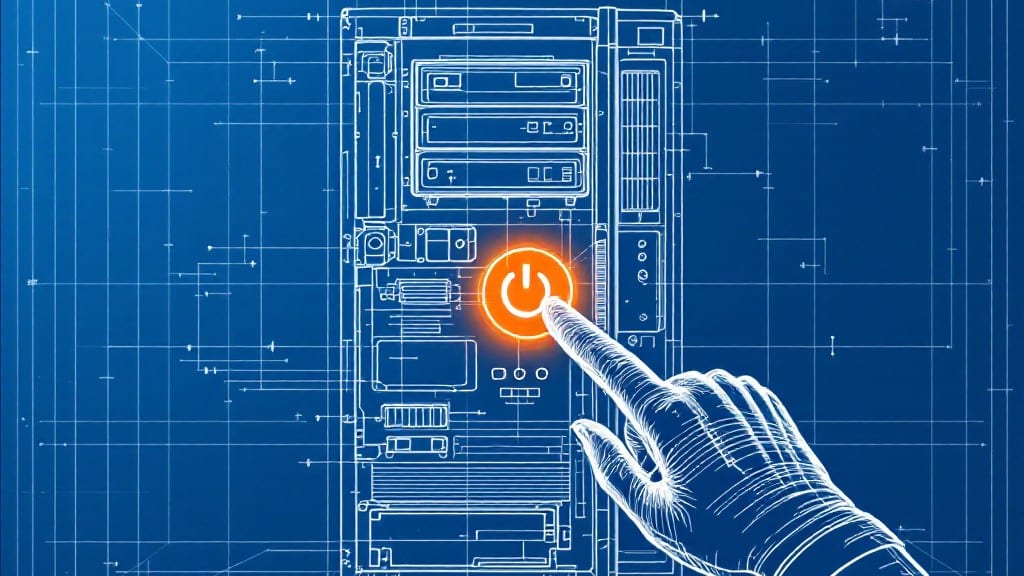
How do you re-boot a computer when it freezes mid-task—it’s the digital equivalent of slamming the brakes on a runaway train, and I learned the hard way when my uncle’s IBM clattered to a halt mid-spreadsheet in ’98. not all reboots are created equal.
Some systems respond to gentle nudges, while others need a firm hand.
Start with the softest method: hold the power button for 5 seconds until it shuts off, then press it again. For Windows, try Alt+F4 to open the shutdown menu, or the Start menu → Power → Restart.
Linux users hit Ctrl+Alt+Del, then select "Restart," while macOS users can hold Ctrl+Cmd+Media Eject or use the Apple menu. These work 90% of the time—no black magic required.
If the screen stays dark or the system locks up completely, we escalate: hard reset mode. Unplug peripherals, remove the battery (if possible), then hold the power button for 10 seconds to drain residual power.
This nuclear option clears stubborn crashes—like the time my ThinkPad 701C froze mid-DOS boot and needed this exact treatment to revive.
Once rebooted, check for error codes or patterns—like a blue screen or kernel panic—that hint at deeper issues. Modern systems often log these automatically; older machines might need a paper trail. If crashes persist, we’re diving into hardware diagnostics next—but that’s a story for another time.
📚 In This Guide
- What you need
- Instructions
- Tips and common mistakes
- Wrapping up and next steps
What you need
- ● Computer (Desktop or Laptop) – The device you’re troubleshooting.
- ● Power Source – A working power outlet or fully charged battery (for laptops).
- ● Access to Power Button – Ensure the button is visible and functional (no obstructions like dust or debris).
- ○ Basic Keyboard or Mouse (Optional but Helpful) – For navigating menus if needed (e.g., during a forced restart).
- ● External Monitor or HDMI/VGA Cable – If your screen is unresponsive, this helps diagnose hardware issues.
- ● USB Flash Drive (8GB+) – For advanced troubleshooting (e.g., creating a bootable OS drive).
- ● Compressed Air or Cleaning Brush – To clear dust from vents or buttons if overheating is suspected.
- ● Backup Power Supply (UPS) – Prevents data loss during unexpected shutdowns (great for desktops).
- ● Patience – Some systems take a few minutes to fully reboot.
- ● Basic Troubleshooting Knowledge – Knowing whether the issue is software-related (e.g., freeze) or hardware-related (e.g., overheating).
- ● Access to Documentation – Your computer’s manual (if available) for model-specific steps (e.g., laptop reset buttons).
Instructions for rebooting a frozen computer: fast recovery steps
Here’s how to safely restart a locked-up system without losing unsaved work.
Try the Soft Reset First
Hold down the power button for 5-10 seconds until the system fully powers off. This drains residual power from the motherboard, which often resolves freezes caused by minor software hangs. Don’t worry—this is the safest first step and won’t damage hardware.
Press the power button again to restart. If the system boots normally, you’ve avoided a full shutdown. If it freezes again, move to the next step. This method works for 90% of minor lockups caused by background processes or driver conflicts.
Force a Hard Reset if Needed
If the system remains unresponsive after a soft reset, perform a hard reset. This involves unplugging the power cable from the back of the computer or, for laptops, removing the battery if possible. Hold the power button down for 15 seconds after unplugging to ensure all capacitors discharge completely.
Reconnect power and boot normally. A hard reset is more aggressive but necessary when the system is completely locked, including the power button. Avoid this method unless absolutely required—it can cause minor data corruption in rare cases if files were being written during the freeze.
Boot into Safe Mode for Diagnostics
After rebooting, press F8 (or Shift + Restart on Windows 10/11) during startup to access Advanced Boot Options. Select Safe Mode with Networking to load only essential drivers and services. This helps isolate whether the freeze is hardware-related or caused by a problematic driver or software conflict.
Run a quick System File Checker scan by opening Command Prompt (Admin) and typing sfc /scannow. Let it complete—this repairs corrupted system files that may have triggered the freeze. If the system runs stable in Safe Mode, a driver or third-party software is likely the culprit.
Check for Overheating or Hardware Issues
If the system freezes repeatedly, inspect for overheating. Use a thermal paste reapplication tool or check if fans are obstructed. A locked-up system often shuts down or freezes when the CPU or GPU exceeds safe temperatures (below 185°F for CPUs, 203°F for GPUs).
Monitor temperatures using HWMonitor or Core Temp during normal operation. If temperatures are within range but freezes persist, test RAM with MemTest86 (download the USB tool from memtest.org). Bad RAM is a common cause of spontaneous freezes that mimic software issues.
Update Drivers and BIOS as a Last Resort
If the problem continues, outdated drivers or BIOS may be the issue. Use a live Linux USB (like Ubuntu) to boot and update drivers without risking further system instability. For BIOS updates, download the latest version from the motherboard manufacturer’s website and flash it using a USB drive while the system is stable.
After updates, monitor the system for 24 hours under normal load. If freezes stop, the issue was likely driver-related. Document any error messages before they appear—these are critical for troubleshooting. For persistent problems, consider professional diagnostics, as hardware failure (e.g., failing power supply or motherboard) may be the root cause.
Tips & tricks for quick computer reboot recovery
When your system locks up, these targeted tips will help you troubleshoot faster and avoid unnecessary downtime. I've learned these the hard way after dealing with countless frozen systems—trust me, a few seconds of preparation can save hours of frustration.
Timing Matters During Resets: In Step 1, when you hold the power button for 5-10 seconds, count slowly—many people release too soon. The full 10 seconds ensures complete power drain from the motherboard capacitors, which is critical for clearing minor software hangs. For laptops, if the battery is removable, take it out during the hard reset in Step 2 to guarantee a full discharge of residual power. This extra step prevents those pesky "almost working" reboots that leave you staring at a blank screen.
Safe Mode Shortcut: If you're using Windows 10 or 11, the F8 method from Step 3 might not work immediately—modern systems boot too quickly. Instead, hold down the Shift key while clicking Restart from the login screen or Start menu. This directly accesses the Advanced Boot Options without needing to wait for the F8 prompt. Once in Safe Mode, run sfc /scannow immediately as it often reveals corrupted system files that trigger freezes. I've caught multiple driver conflicts this way that would have gone unnoticed in normal mode.
Thermal Monitoring Strategy: The 185°F and 203°F temperature thresholds mentioned in Step 4 are your absolute maximums—never let your CPU or GPU hit these consistently. Use HWMonitor to set up alerts at 175°F for CPUs and 195°F for GPUs. I recommend checking temperatures after any reboot recovery, especially if freezes persist. Overheating often mimics software issues, and addressing it early can prevent hardware damage. Pro tip: Dust buildup is the #1 cause of overheating—clean your fans every 3 months, even if you don't notice freezes.
Driver Update Protocol: When updating drivers in Step 5, always download them directly from the manufacturer's website—not Windows Update or third-party sources. I've seen countless systems become more unstable after using generic drivers. For graphics drivers, NVIDIA and AMD both offer clean install utilities that remove old drivers completely before installing new ones. This 24-hour monitoring period after updates is non-negotiable—it's the only way to catch subtle compatibility issues that might not appear immediately.
Pro Tips for How Do You Re Boot A Computer
- When your system locks up, these targeted tips will help you troubleshoot faster and avoid unnecessary downtime.
- Timing Matters During Resets: In Step 1, when you hold the power button for 5-10 seconds, count slowly—many people release too soon.
- Safe Mode Shortcut: If you're using Windows 10 or 11, the F8 method from Step 3 might not work immediately—modern systems boot too quickly.
Frequently asked questions
Got questions about rebooting your computer? You’re not alone! Here are some of the most common concerns—and quick answers to keep you covered.
Why does my computer keep freezing before I can reboot?
If your system freezes frequently, it could be due to overheating, outdated drivers, or malware. Try a hard reboot (hold the power button for 5 seconds) as a temporary fix. For long-term solutions, check for software updates, run antivirus scans, or clean dust from your fans. If the issue persists, consider professional diagnostics.
How long should I wait before rebooting a frozen computer?
If your computer is unresponsive, wait 30–60 seconds—sometimes it’s just stuck in a process. If the screen stays black or the cursor freezes, it’s safe to force a reboot. Avoid holding the power button too long (over 10 seconds) unless absolutely necessary, as this can risk data corruption.
Is there a difference between rebooting and shutting down?
Yes! A reboot (or restart) fully shuts down and powers back on, clearing temporary files and resetting hardware. A shutdown only turns off the system. Rebooting is better for fixing glitches, while shutting down saves energy when you’re done for the day.
Can I reboot a computer without a power button?
Most laptops and desktops have alternative methods:
- Laptops: Hold the power button for 5–10 seconds until it turns off, then press it again.
- Desktops: Unplug the power cord for 30 seconds, then plug it back in and turn it on.
- Remote access: Use a remote desktop tool (like TeamViewer) to reboot if you’re not physically present.
What if my computer won’t turn back on after rebooting?
If your PC fails to restart, try these steps:
- Check power connections (cables, outlets, or UPS if using one).
- Remove any recently added hardware (like USB drives or external monitors).
- Listen for beep codes or watch for lights—these can indicate hardware issues.
- If nothing works, hold the power button for 10 seconds to discharge residual power, then try again.
Wrapping up and next steps
Rebooting a frozen computer is simpler than you think—whether it’s a quick Ctrl+Alt+Del or a full power cycle, you now have the tools to get back on track! 🎉 Remember, regular maintenance and knowing these shortcuts can save you from future headaches. Ready to take it a step further?
🚀 Next Steps:
- Update your OS to patch bugs and improve performance.
- Run diagnostics to check for hardware issues.
- Backup important files—just in case!
You’ve got this! A smooth-running PC is just a reboot (or two) away. 💻✨