
Operating System
Data breaches cost businesses billions annually—but most attacks originate from internal vulnerabilities. These 10 internal safeguards empower cybersecurity leaders to fortify defenses against insider threats, human error, and sophisticated cyberattacks before they escalate.
Role-Based Access Control Implementation
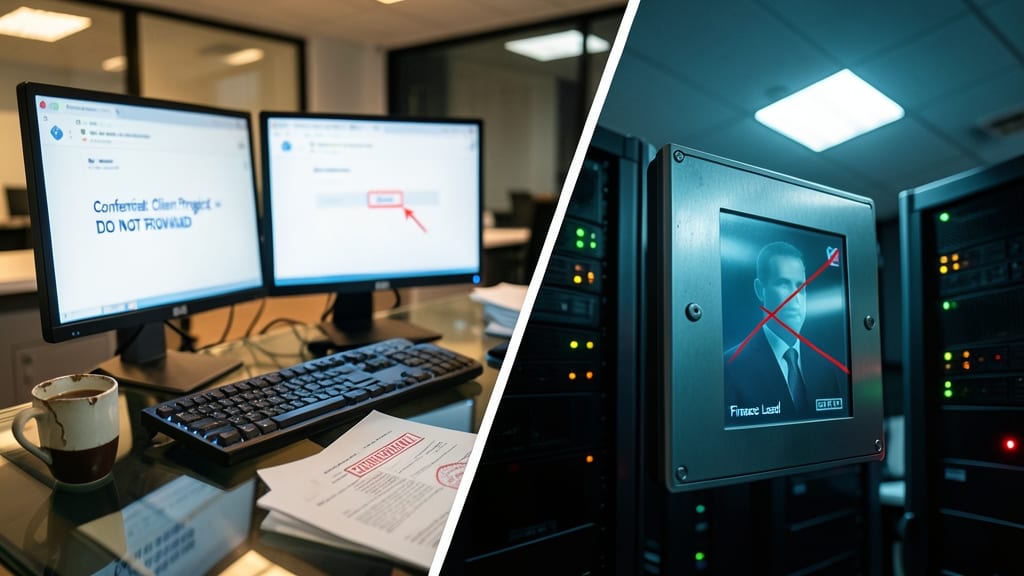
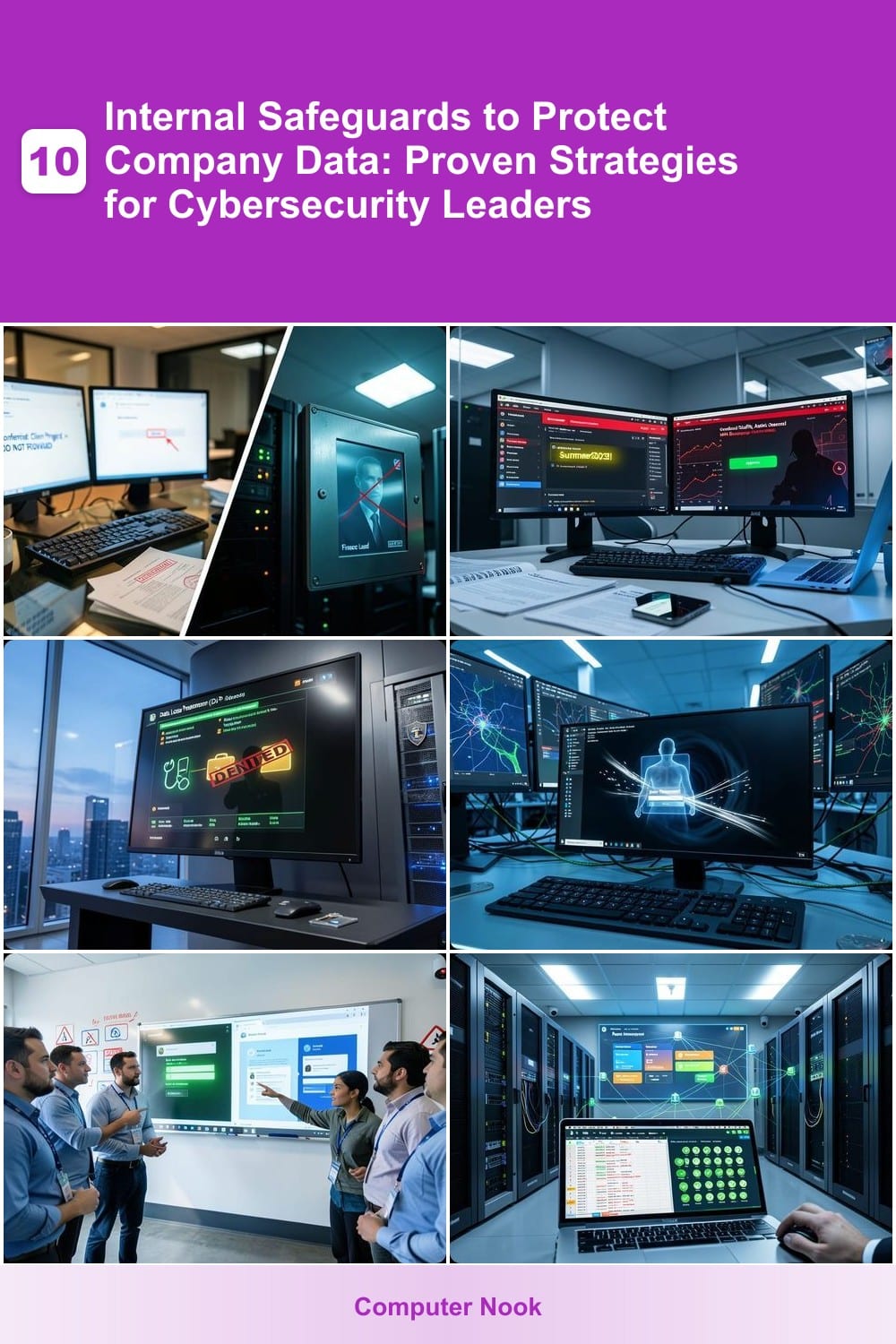
Imagine an employee accidentally forwarding sensitive client data to the wrong inbox—or a disgruntled former employee accessing systems they no longer need. Role-Based Access Control (RBAC) solves this by granting permissions only to what’s necessary for each job role, cutting off over-permissioned access at its source.
With RBAC, you define administrator, finance, or HR roles with precise access limits—no more blanket "admin" privileges. Tools like Microsoft Azure AD or Okta automate enforcement, while just-in-time (JIT) access ensures temporary elevated permissions expire automatically. Studies show RBAC reduces data leaks by up to 70% by eliminating over-privileged accounts.
This is your first line of defense for companies handling customer data, intellectual property, or compliance-sensitive workloads. Start with a role audit—map current permissions to actual job functions—and watch accidental exposure shrink dramatically. 🌟
Multi-Factor Authentication Enforcement

Credential stuffing attacks exploit weak passwords—yet many companies still let internal teams bypass multi-factor authentication (MFA) for "convenience." That’s a critical oversight: 80% of breaches involve stolen credentials, and MFA blocks 99.9% of automated attacks targeting passwords alone.
Enforcing MFA across all systems—including internal portals—requires solutions like Duo Security or Microsoft Authenticator, which integrate with SAML 2.0 and LDAP for seamless deployment. Push notifications, biometrics, or hardware tokens add friction attackers can’t bypass, while zero-trust policies ensure verification even for VPN access. The best systems also log failed attempts to spot brute-force patterns.
This safeguard is non-negotiable for finance, healthcare, or legal firms handling sensitive data, but even startups benefit from protecting against compromised admin accounts. Start with critical systems first—your HR and payroll portals should never be the weakest link. 💪
Data Loss Prevention Software Deployment
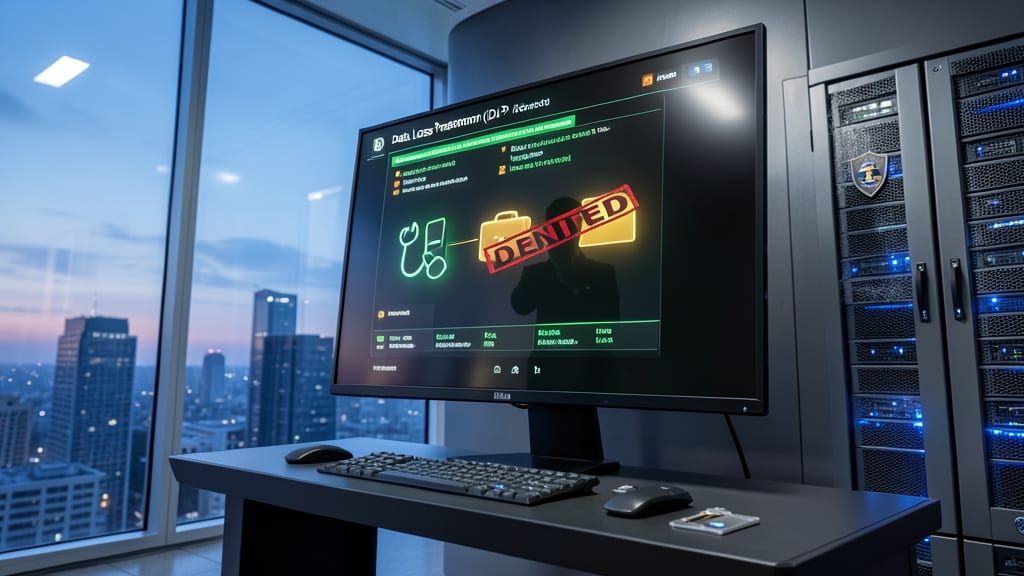
For industries where compliance isn’t optional—like healthcare, finance, or legal—Data Loss Prevention (DLP) software acts as an automated bouncer for sensitive data. Unlike firewalls or MFA, DLP doesn’t just monitor traffic; it actively blocks unauthorized transfers in real time, whether through email, cloud uploads, or USB drives.
Solutions like Symantec DLP or Forcepoint scan content for PII (Personally Identifiable Information), credit card numbers, or proprietary documents, then enforce policies like encryption or access controls. Some even integrate with Microsoft 365 to flag suspicious SharePoint downloads. The beauty? It works silently in the background, reducing reliance on employee vigilance—critical for sectors where a single misplaced file could trigger fines or lawsuits.
This is the safeguard for organizations drowning in regulatory requirements but short on IT resources. Deploy it, and you’ll sleep easier knowing your data stays where it belongs—even if an employee accidentally (or maliciously) tries to move it. 💻
Endpoint Detection and Response Systems

Not all cyber threats require malware—some of the most dangerous attacks slip through undetected by silently harvesting credentials or exfiltrating data. That’s where Endpoint Detection and Response (EDR) systems shine, offering real-time monitoring of every device on your network for suspicious behavior patterns.
Unlike traditional antivirus, EDR solutions like CrowdStrike Falcon or Microsoft Defender for Endpoint analyze fileless attacks, unusual login sequences, and lateral movement across systems. They provide automated threat hunting, isolating compromised devices before damage spreads, and deliver forensic-ready evidence for post-incident analysis. Many integrate with SIEM tools for centralized visibility.
This is a must-have for organizations handling sensitive data, especially those in finance or healthcare where compliance demands proactive threat detection. The best part? Top EDR platforms now offer cloud-based deployment, making them accessible even for mid-sized teams without heavy IT overhead. 💻
Regular Security Awareness Training Programs

Think of your employees as the last line of defense—because they often are. Security awareness training programs turn your team from potential vulnerabilities into your strongest asset by teaching them to spot phishing scams, fake login pages, and other social engineering tricks before clicking.
These programs simulate real-world attacks with customized phishing tests (like fake invoice emails or urgent "password reset" links) and provide instant feedback. Platforms like KnowBe4 or PhishMe track progress over time, showing which departments need extra training. The goal? Reduce click rates on malicious links by 70-80% through repetition and real-world examples.
Ideal for companies of all sizes, these programs are especially critical for industries handling sensitive data (healthcare, finance, legal). Even small teams benefit—quarterly training keeps security top of mind without overwhelming schedules. 🌟
Automated Patch Management Systems

Forget the days of manually tracking updates across hundreds of devices—automated patch management turns a security nightmare into a set-and-forget solution. These systems scan, prioritize, and deploy critical updates across your entire network, ensuring no device becomes an easy target for exploits like EternalBlue or Log4j vulnerabilities.
Top solutions like Microsoft Intune or SolarWinds Patch Manager offer real-time vulnerability assessments, schedule flexibility, and compliance reporting—all while minimizing downtime. They automatically handle OS patches, firmware updates, and third-party software fixes, reducing human error and ensuring consistent protection across Windows, macOS, and Linux environments.
Ideal for IT teams drowning in manual update tasks, these systems free up resources while keeping systems hardened against 90% of known exploits. Perfect for mid-sized businesses to enterprises where scalability and consistency matter most. ⚡
Behavioral Analytics for User Monitoring

What if your security system could spot a compromised account before it becomes a problem? Behavioral analytics doesn’t just monitor activity—it learns what "normal" looks like for each user, then flags deviations like late-night logins or sudden bulk data exports that could signal a breach.
Tools like Darktrace or Exabeam use machine learning to analyze patterns such as typing speed, login frequency, and data access habits. When a user suddenly downloads 10GB of files at 3 AM or logs in from three countries in one hour, the system triggers alerts without requiring predefined rules. This approach catches both malicious insiders and compromised accounts that traditional firewalls miss.
Ideal for organizations handling sensitive data (finance, healthcare, legal), behavioral analytics reduces false positives while adapting to evolving threats. No more guessing—just real-time protection based on actual user behavior. ✨
Secure Document and File Encryption

Even if a lost laptop or intercepted email lands in the wrong hands, secure document encryption ensures your data stays locked down. Unlike firewalls or access controls, encryption transforms files into unreadable ciphertext—rendering them useless without the proper decryption keys, whether stored locally or transmitted across networks.
Modern solutions like AES-256 encryption (the gold standard for military-grade security) or PGP/GPG tools provide end-to-end protection for documents, emails, and databases. Cloud services such as Microsoft Azure Information Protection or Box Crypto integrate seamlessly with workflows, automatically encrypting files based on sensitivity levels. For physical media, BitLocker (Windows) or FileVault (macOS) add hardware-level safeguards to devices.
This is non-negotiable for industries handling PHI, financial records, or trade secrets. Even small teams benefit from tools like VeraCrypt for portable drives or ProtonMail’s built-in encryption for email. 💻
Third-Party Risk Assessment Protocols

When third-party vendors gain access to your systems, they become potential entry points for supply chain attacks—yet many companies overlook this critical risk. A Third-Party Risk Assessment Protocol systematically evaluates vendors' security controls before granting access, ensuring they meet your company’s standards and don’t introduce vulnerabilities.
This process typically includes automated security questionnaires (like those from SecurityScorecard or BitSight), penetration testing of vendor systems, and contractual security requirements (e.g., SOC 2 compliance or ISO 27001 certification). By scoring vendors on factors like patch management, incident response readiness, and data encryption, you can confidently allow access only to those who meet your risk tolerance.
Ideal for industries handling sensitive data—like healthcare, finance, or legal—these protocols turn vendors from potential liabilities into trusted partners in your security ecosystem. ⚡
Incident Response Plan Development

When a breach happens, every second counts—and a well-defined incident response plan turns panic into action. Unlike reactive tools like firewalls or encryption, this safeguard ensures your team knows exactly what to do, from isolating threats to communicating with stakeholders, before damage spirals out of control.
A robust plan includes predefined roles (e.g., incident commander, forensic analyst), escalation protocols, and step-by-step containment procedures—all tested through tabletop exercises. Tools like Splunk or IBM Resilient can automate workflows, while frameworks like NIST SP 800-61 provide structured templates. The goal? Reduce downtime by 70% by minimizing guesswork during crises.
This isn’t just for enterprises—even small teams benefit from documenting a basic playbook. Start with a breach classification system (e.g., severity levels) and assign clear ownership. The faster you respond, the less costly the fallout. 💪