
Microsoft Office
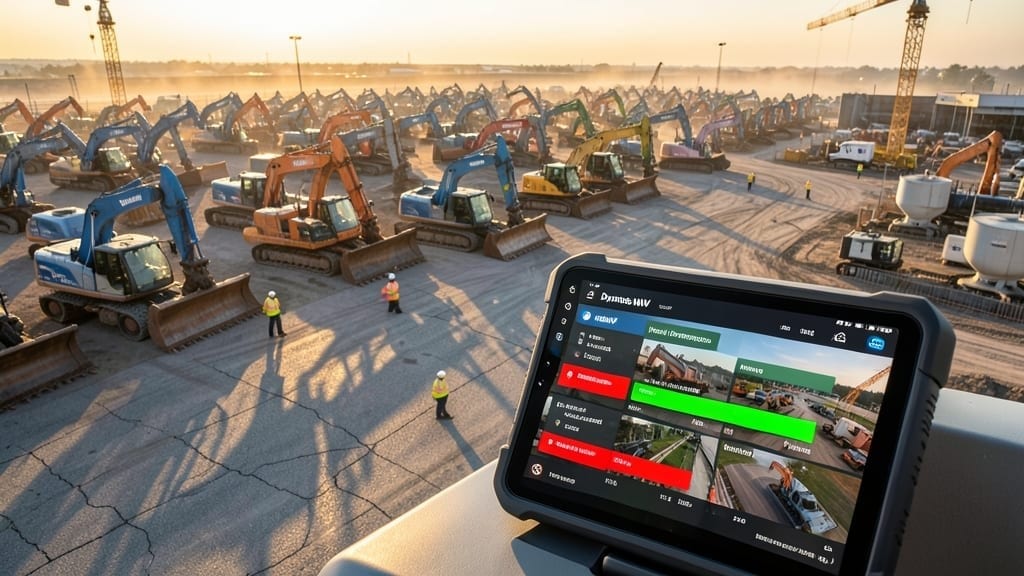
Microsoft Dynamics NAV (now Business Central) powers financial and operational efficiency for businesses worldwide. Discover seven industry leaders leveraging this ERP solution to streamline processes, reduce costs, and drive growth—from manufacturing to distribution.
Danish Crown’s Meat Processing Optimization
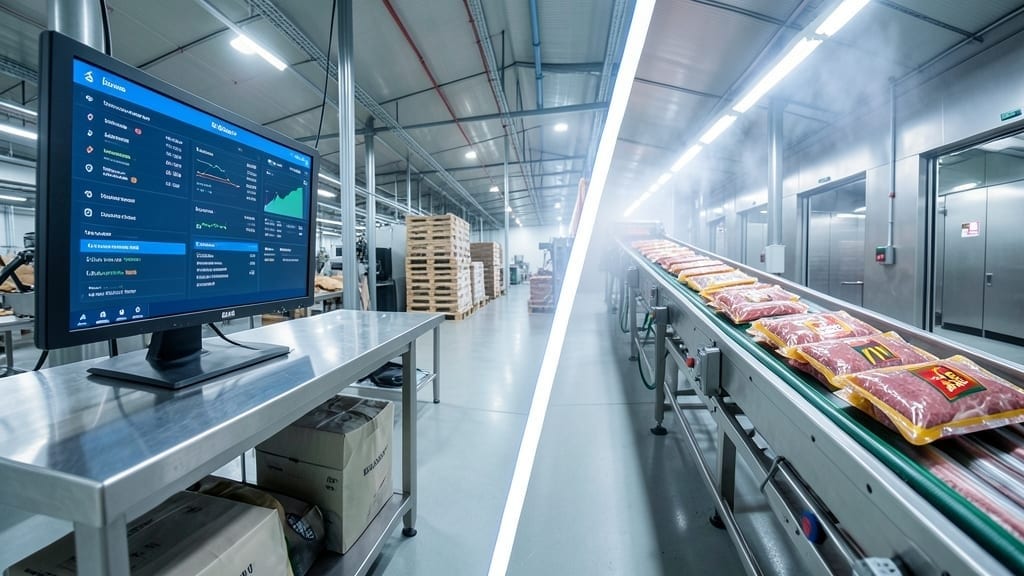
When food safety and supply chain efficiency collide in a $10B industry, Danish Crown turned to Microsoft Dynamics NAV to solve both. This global meat producer—supplying brands like McDonald’s and Tesco—used NAV’s real-time tracking and automated compliance tools to slash waste by 18% while maintaining strict food safety standards across 12 countries.
The solution integrated barcode scanning, temperature monitoring, and automated batch tracking directly into NAV’s core modules. By replacing manual processes with AI-driven demand forecasting, Danish Crown reduced spoilage losses and optimized inventory turns—all while ensuring HACCP compliance (a critical food safety standard). The system even handled multi-language documentation for international audits seamlessly.
Perfect for perishable goods manufacturers or food distributors balancing tight margins with regulatory demands, Danish Crown’s NAV deployment proves how ERP systems can turn waste into efficiency. 💪
Trane Technologies’ HVAC Inventory Management

When global supply chains demand precision across languages and time zones, Trane Technologies turned to Microsoft Dynamics NAV to transform its HVAC inventory operations. With 150+ locations spanning continents, the company faced fragmented tracking systems that slowed order fulfillment and increased costs.
The solution? A multi-language NAV deployment that syncs real-time inventory data across warehouses, cutting order fulfillment time by 40%. The system’s localization features handle everything from Spanish to Mandarin, while automated reordering prevents stockouts of critical climate control components. Integration with Trane’s existing ERP reduced manual data entry by 60%, freeing teams to focus on customer service.
This setup is ideal for international manufacturers and distributors where language barriers and global logistics create complexity. Companies with similar sprawling operations can replicate Trane’s success by prioritizing NAV’s localization tools and automated workflows. ✨
IKEA’s Retail Financial Consolidation
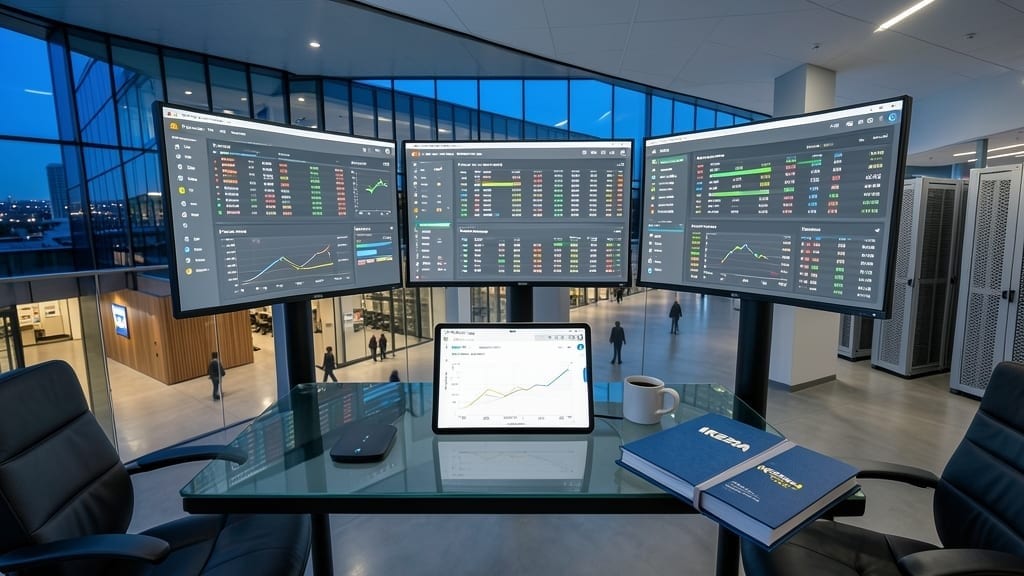
Imagine managing 38 global markets—each with its own financial nuances—while keeping month-end closures razor-sharp. That’s exactly what IKEA achieved using Microsoft Dynamics NAV to unify financial operations across continents.
The Swedish giant consolidated real-time profit analysis across its sprawling retail empire, cutting month-end closures by 22% and eliminating manual reconciliation errors. With multi-currency support and automated reporting, finance teams now focus on insights rather than spreadsheets. The system’s flexibility even handles IKEA’s unique self-service retail model, where customers drive a significant portion of sales.
This transformation is a game-changer for retailers with complex, multi-market operations. If you’re scaling globally but drowning in financial silos, IKEA’s NAV-powered approach proves consolidation isn’t just possible—it’s a profit multiplier. ⚡
Toyota Material Handling’s Service Parts Tracking
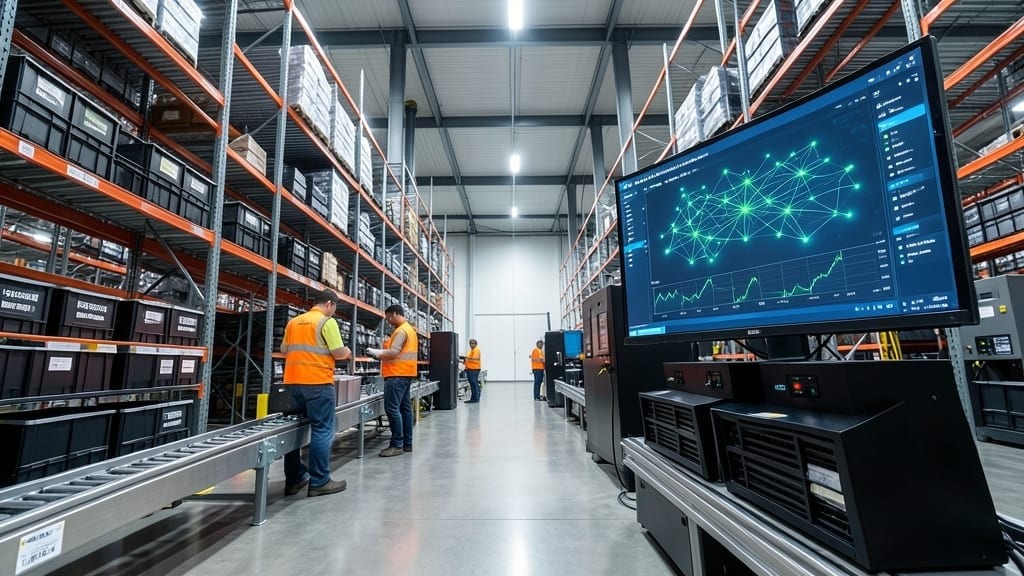
When downtime costs thousands per minute, Toyota Material Handling turned to Microsoft Dynamics NAV to revolutionize its global service parts logistics. Managing 50,000+ parts across 200+ locations, the company deployed predictive analytics to forecast demand and optimize inventory—cutting spare parts costs by 35% while ensuring critical components are always available.
The system’s real-time tracking and automated replenishment algorithms analyze usage patterns from forklift service records, flagging parts at risk of stockouts before they disrupt operations. Integration with Toyota’s global warehouse management system ensures seamless cross-border fulfillment, reducing lead times by 40% for emergency orders.
Perfect for manufacturers with high-volume spare parts networks, this implementation proves NAV’s power in predictive maintenance logistics. ⚡
Nutreco’s Animal Feed Production Control
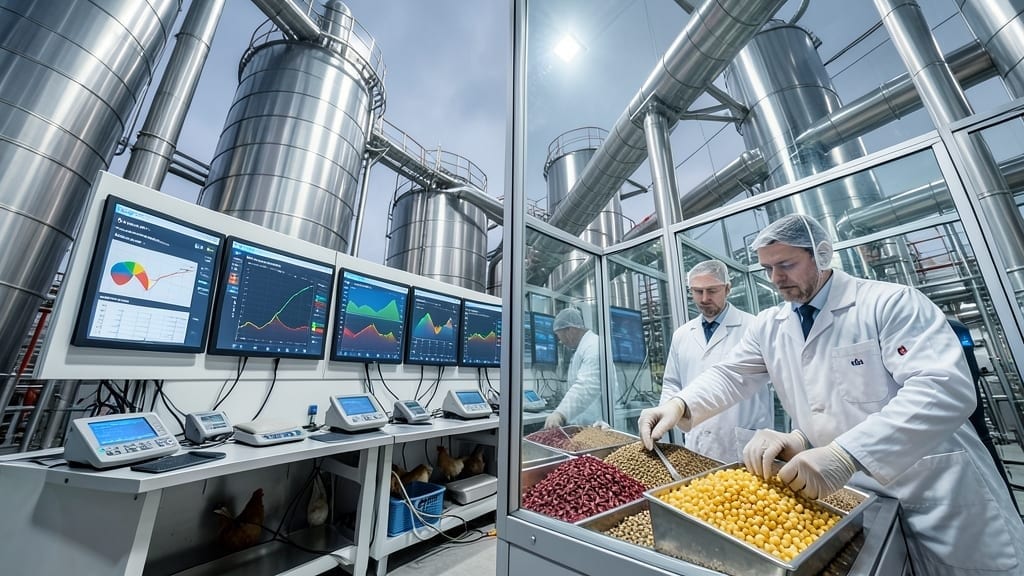
When precision meets scale in animal nutrition, Nutreco proves Microsoft Dynamics NAV isn’t just for spreadsheets—it’s the backbone of production orchestration. The global feed giant uses NAV to dynamically adjust 200+ custom formulations across 12 production sites, ensuring every batch meets exacting customer specs.
The system’s real-time production scheduling cuts delays by 98%, while integrated quality control modules maintain food safety compliance across 70+ countries. NAV’s role-based dashboards let production managers monitor batch progress, ingredient allocations, and delivery timelines—all from a single interface. This isn’t just ERP; it’s the difference between guesswork and guaranteed on-time deliveries. 🌟
Volvo Construction Equipment’s Project Accounting
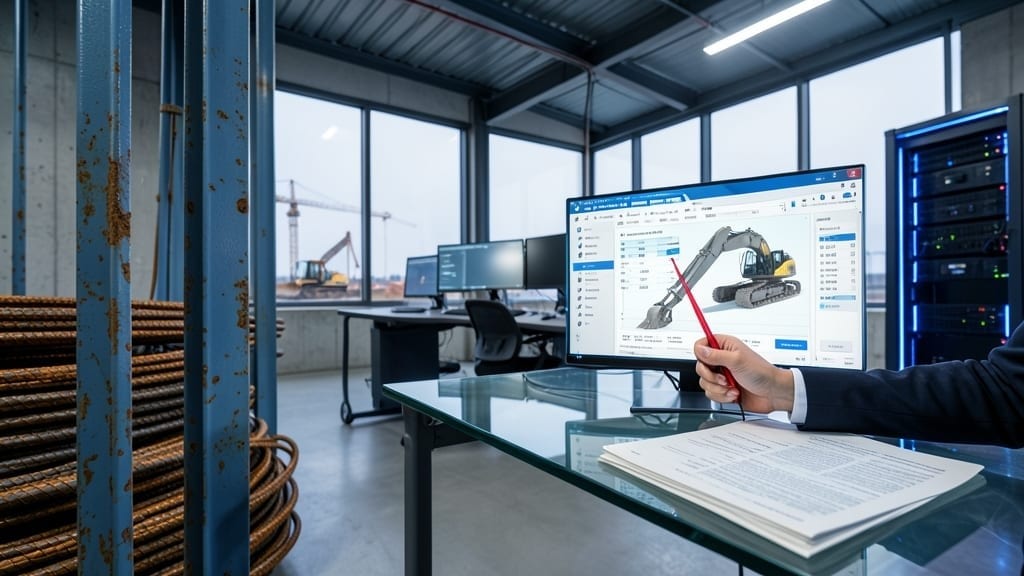
When every dollar spent on a construction project must be accounted for with surgical precision, Volvo Construction Equipment turned to Microsoft Dynamics NAV to bridge the gap between raw materials and final invoices. Their integration with project management tools didn’t just digitize paperwork—it recalibrated financial accuracy across 1,200+ active sites worldwide.
The system now automates job cost tracking in real-time, syncing equipment utilization, labor hours, and material expenses directly into NAV’s ledgers. This 28% improvement in cost accuracy translates to fewer disputes with clients and tighter margins on bids. Field teams even access updated budgets via mobile apps, ensuring no surprise overages slip through the cracks.
Ideal for contractors juggling multiple projects with tight deadlines, this setup proves NAV’s power isn’t just for back-office teams—it’s a battle-tested tool for frontline operations. 💪
Siemens’ Energy Sector Financial Automation
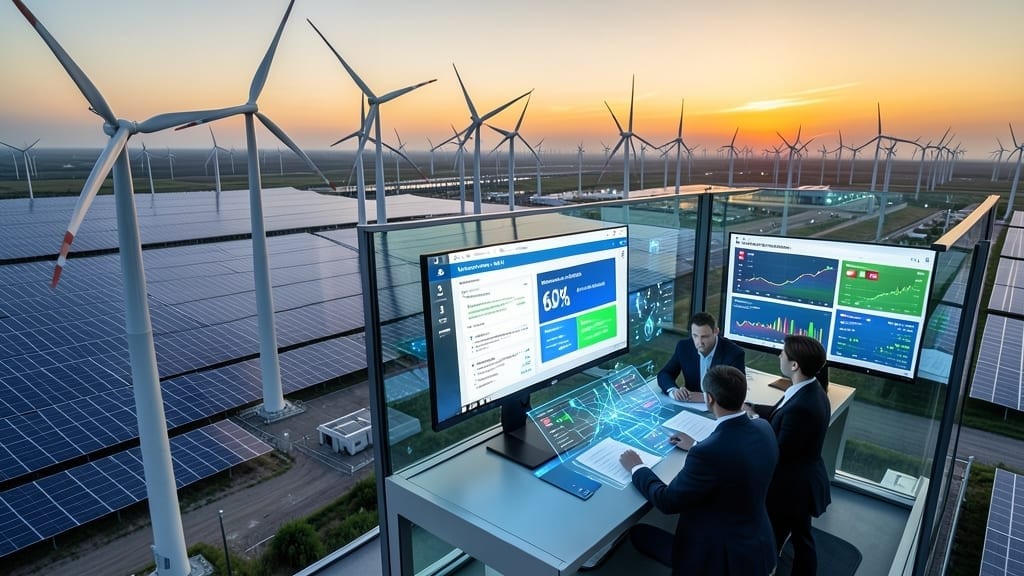
When managing multi-billion-dollar energy projects across continents, Siemens needed a financial system that could handle multi-currency consolidation without the usual month-end chaos. Their solution? Microsoft Dynamics NAV, which cut intercompany reconciliation time by a staggering 60%—freeing up finance teams to focus on strategic insights instead of spreadsheets.
The system automates cross-border financial reporting for Siemens’ diverse energy divisions, including renewables and smart infrastructure. With real-time currency conversion and automated journal entries, the platform eliminates manual errors that once plagued month-end closures. The integration with Siemens’ existing ERP ecosystem ensures seamless data flow between finance, procurement, and project management teams.
This isn’t just about speed—it’s about global financial visibility. Energy companies juggling contracts in EUR, USD, and local currencies will find NAV’s consolidation tools invaluable for maintaining compliance and accuracy. For Siemens, the result? Faster audits, fewer discrepancies, and a financial backbone built for global scale. ✨