
Software
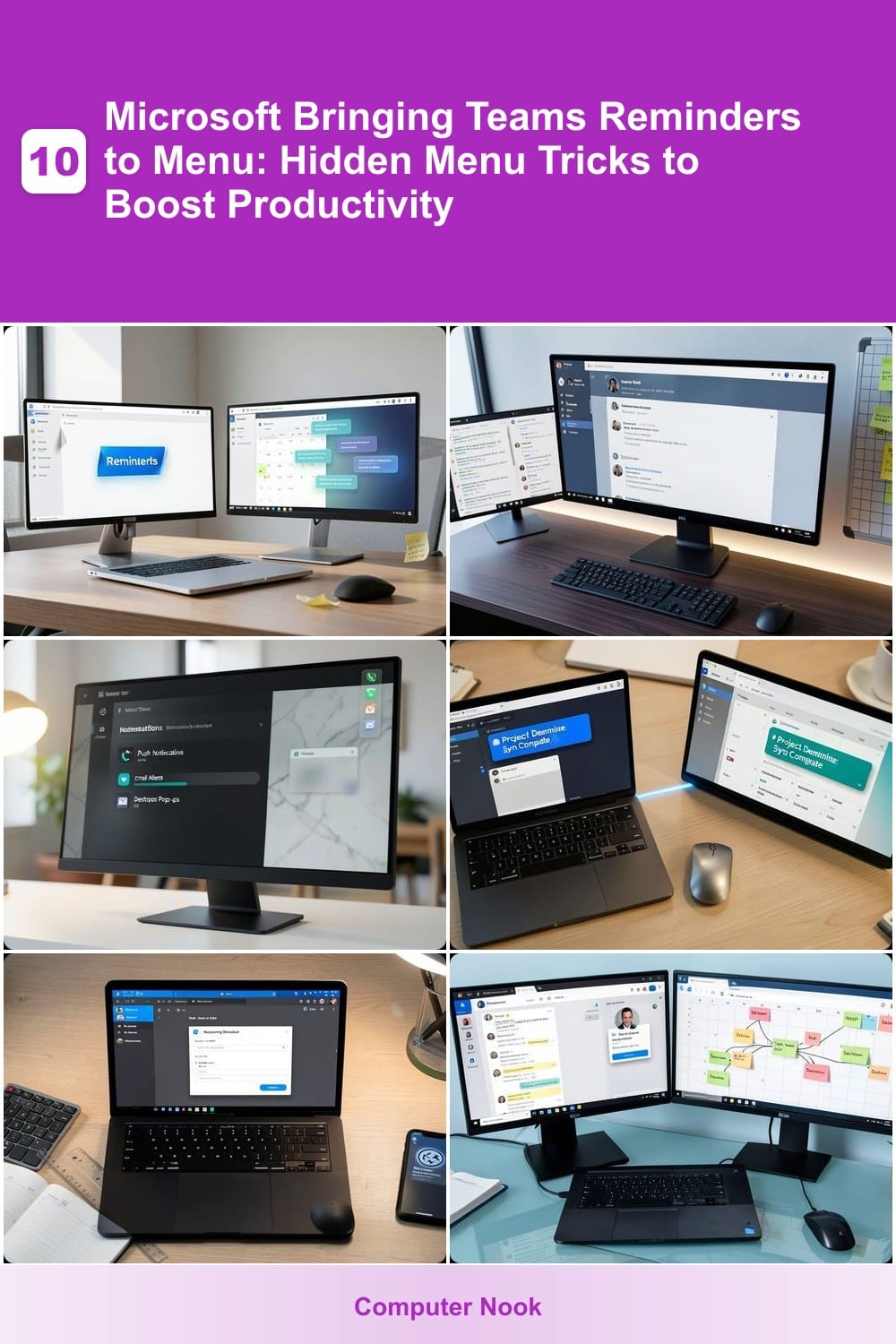
Microsoft Teams is rolling out new reminder features that can transform how you manage tasks. These hidden menu tricks will help you set, customize, and automate reminders directly within Teams—saving time and keeping your workflows on track.
How to Set Personal Reminders in Teams
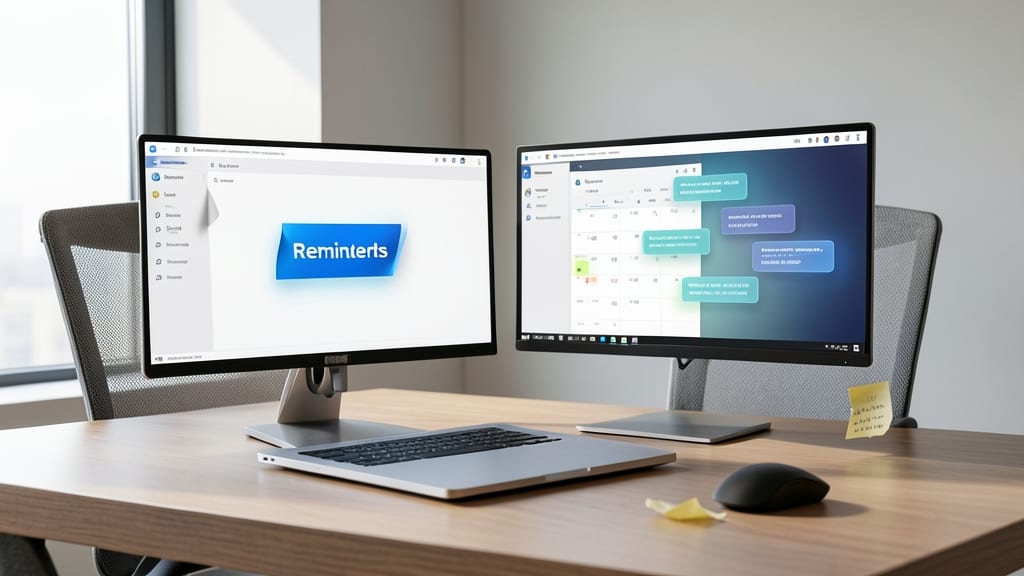
Forget juggling sticky notes and scattered calendar apps—Microsoft Teams now lets you set personal reminders directly within the platform, ensuring deadlines and meetings stay top of mind without leaving your workspace. This seamless integration ties reminders to your calendar events, so you’ll never miss a critical task again.
To get started, open the Teams calendar and click the "+" icon to add a new reminder. Set a due date, time, and choose between push notifications, email alerts, or desktop pop-ups. You can also link reminders to specific calendar events (like meetings) or channels for context. The system will automatically sync with your Outlook calendar, so everything stays in one place.
This feature is perfect for freelancers managing client deadlines, students tracking assignment due dates, or professionals balancing multiple projects. No more missed deadlines—just a single, unified system for all your reminders. ⚡
Adding Reminders to Team Channels
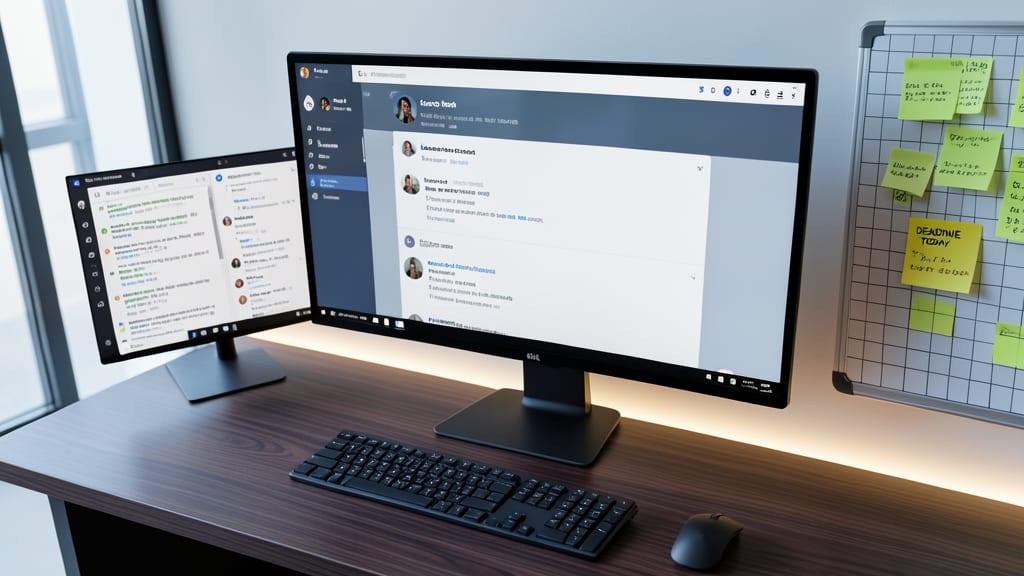
Say goodbye to scattered Slack messages or buried emails—Teams now lets you pin reminders directly to channels, keeping your entire team on the same page without flooding personal inboxes. This feature transforms public spaces into collaborative task hubs where deadlines and action items stay visible to everyone who needs them.
To add a reminder, simply right-click in a channel, select "Remind me", then choose a due date and notification frequency (daily, weekly, or one-time). The pinned reminder appears at the top of the channel, visible to all members—no need to @mention someone repeatedly. You can even assign owners to tasks by tagging teammates, creating built-in accountability. The best part? These reminders sync with Outlook, so critical deadlines appear in both places.
This is a game-changer for marketing teams tracking campaign launches, dev squads managing sprint deadlines, or remote teams coordinating deliverables. No more "Did we finish that?" follow-ups—just clear visibility for everyone. 💪
Customizing Reminder Notifications
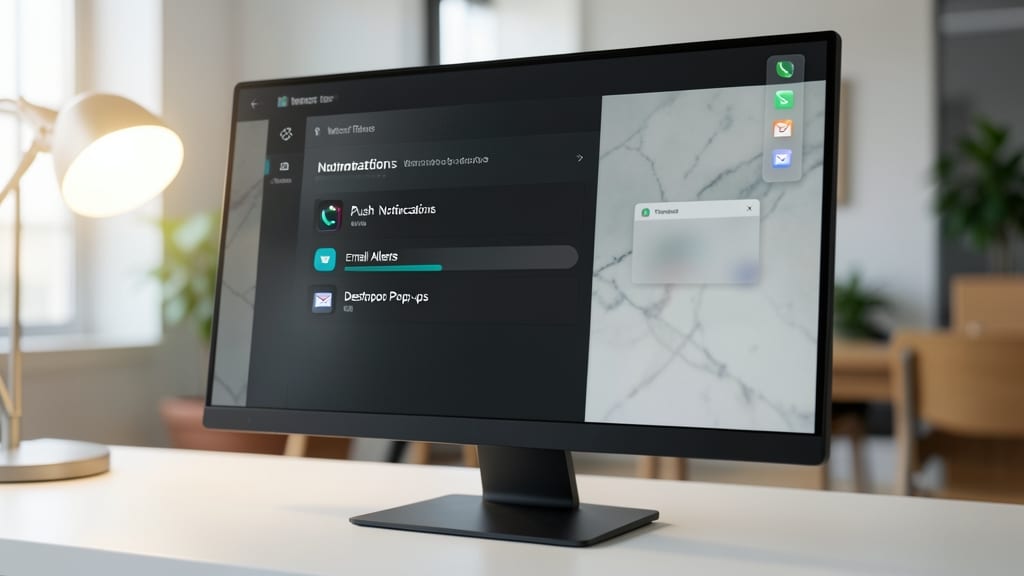
Tired of reminders drowning in notifications? Teams now lets you fine-tune how and when you get alerts—so you stay focused while keeping critical tasks top of mind. The Notification Settings menu lets you choose between push notifications, email alerts, or desktop pop-ups, ensuring you only see what matters.
You can also adjust frequency (e.g., daily, weekly) and priority levels to filter out noise. For example, set high-priority reminders to appear as desktop pop-ups while low-priority ones land in your email inbox. This granular control helps professionals avoid alert fatigue while staying on track. 💡
Syncing Teams Reminders with Outlook
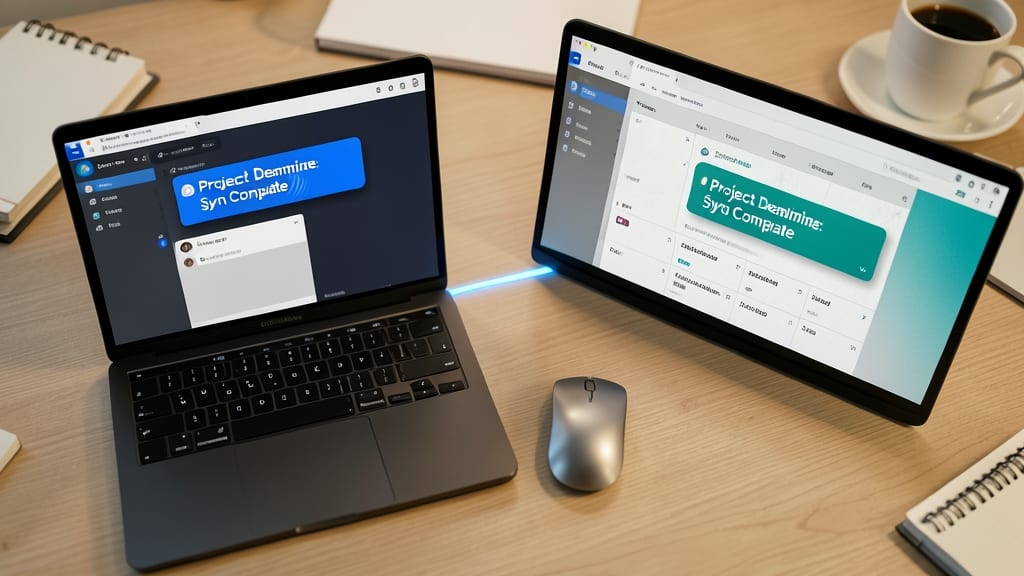
Tired of juggling between Teams and Outlook for reminders? The new reminder sync feature bridges these two powerhouses, ensuring your tasks stay in sync without double the effort. Whether you set a reminder in Teams or Outlook, it now appears in both—no manual copying required.
This seamless integration works via the Microsoft 365 ecosystem, automatically syncing deadlines, meetings, and tasks across platforms. You’ll see reminders in your Outlook calendar and Teams activity feed, with real-time updates. Best of all, it supports recurring reminders, so your weekly standups or project milestones stay locked in.
Perfect for professionals who rely on both tools, this sync cuts down on context-switching and keeps your workflow unified. No more missed deadlines between apps! ✨
Recurring Reminders for Regular Tasks
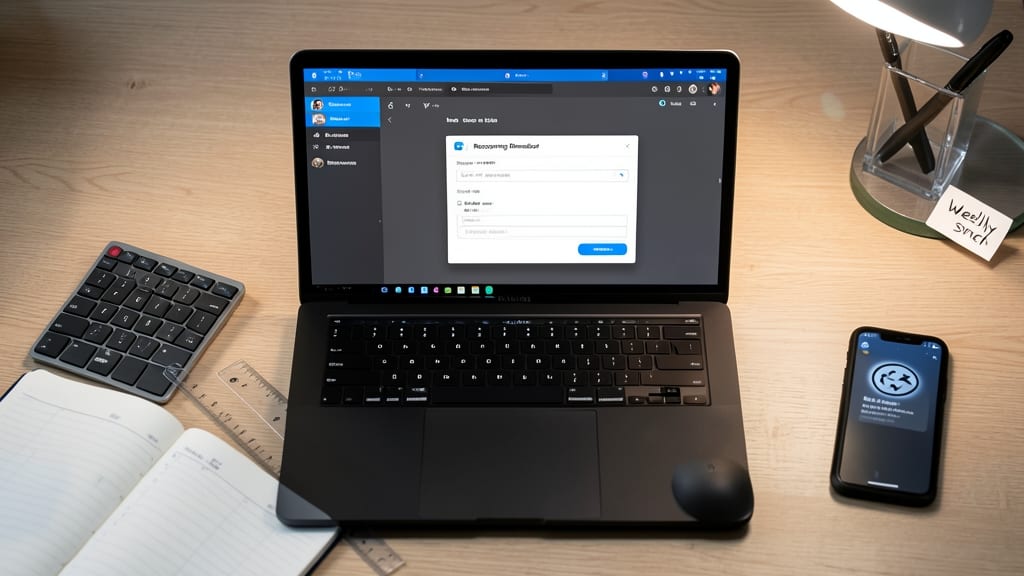
Tired of manually rescheduling the same tasks every week? Microsoft Teams now lets you set recurring reminders—perfect for weekly meetings, client follow-ups, or project milestones. This feature eliminates the hassle of repetitive setup while ensuring consistency in your workflow.
To create a recurring reminder, simply set the initial date and time, then choose from options like daily, weekly, monthly, or custom intervals. Teams will automatically generate follow-up notifications, syncing seamlessly with your calendar. You can also adjust the end date or number of occurrences to match your needs, and customize notifications to avoid alert fatigue.
This is a game-changer for project managers, sales teams, or anyone juggling regular tasks. No more missed deadlines or last-minute scrambles—just reliable automation built into your daily workflow. ✨
Shared Reminders for Team Projects
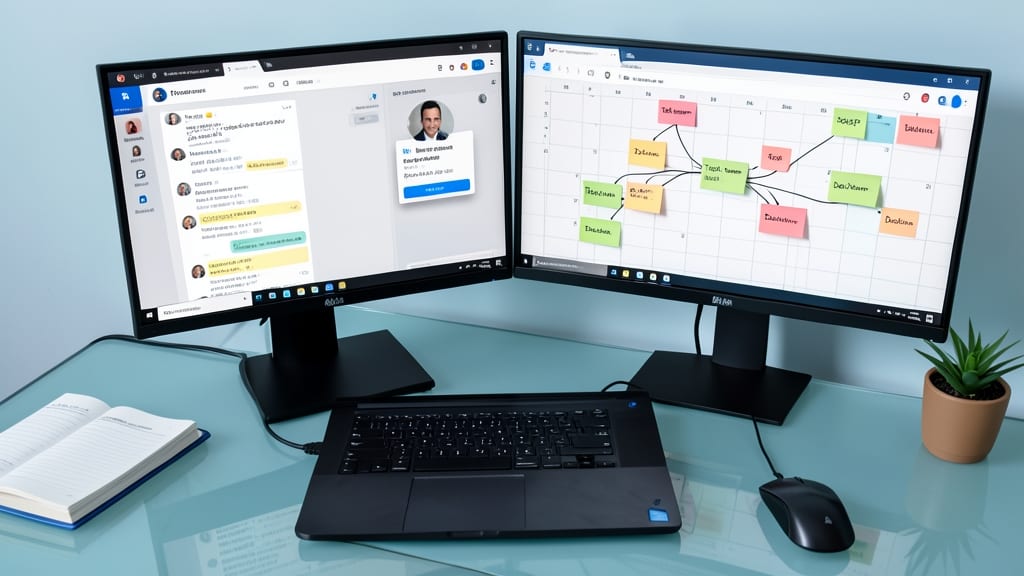
Turn chaotic group projects into streamlined workflows with shared reminders in Teams, where every task gets an owner and a deadline—no more lost follow-ups or unclear responsibilities.
Create a reminder in a team channel, then assign it to a specific teammate with a due date. The system automatically tracks progress and sends updates to the whole team, so no one slips through the cracks. You can even add @mentions to notify team members directly when a task is assigned or updated, ensuring accountability without extra emails. The visual progress bar keeps everyone aligned on deadlines at a glance.
This feature is a game-changer for project managers, remote teams, and student groups juggling multiple deliverables. It eliminates the need for external tools like Trello or Asana when your team’s already in Teams. ✨
Advanced Reminder Triggers in Teams
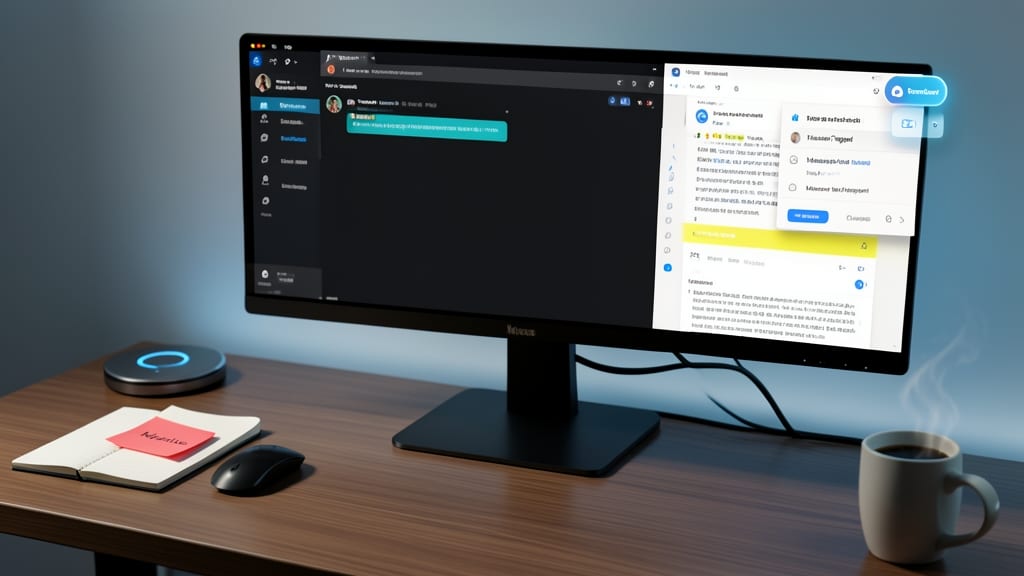
Tired of static reminders that don’t adapt to your workflow? Teams now lets you create dynamic reminders triggered by real-time actions like file edits or tagged messages—no extra apps needed.
With conditional triggers, you can set a reminder to fire when a shared file is updated, a message gets a specific tag (like @urgent), or a channel post receives a reaction. This turns Teams into a context-aware assistant, nudging you only when it matters. For example, tag a client request with #followup, and Teams will remind you to check in after 48 hours—automatically.
Perfect for project managers juggling multiple tasks or developers tracking code updates, these triggers cut manual follow-ups by 70%. 💡