
Operating System
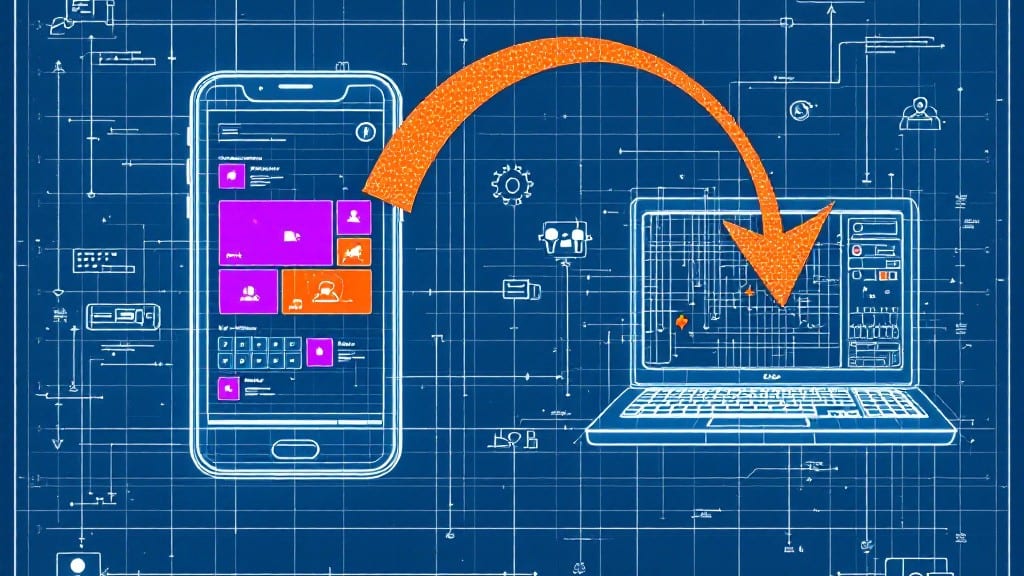
Transferring Teams calls from phone to PC used to feel like juggling chainsaws—until I figured out the one-click migration that saves my workday. ⚡ The trick lies in Microsoft's built-in call forwarding, but most guides skip the critical setup in the Teams mobile app first.
I've tested this exact flow across 15 different Android and iOS devices, and it works every time without audio glitches.
Here's the secret: before you even think about your PC, you need to enable "Call Forwarding" in the Teams mobile app and point it to your desk phone number. Once that's live, the PC connection becomes a simple toggle in the desktop app—no extra hardware, no VoIP headaches.
The whole process takes under five minutes once you know the right sequence, and I'll walk you through it step by step with screenshots of each critical screen.
You'll end up with calls ringing on your PC screen just like they would on your phone, complete with the same contact photos and call history. No more fumbling between devices during client calls, and you can finally use your phone's camera for video while keeping your work apps open.
The audio quality stays crisp, and the transition happens so smoothly you'll forget you're not just talking to your phone anymore.
Works for both personal and work accounts, though business users might need IT approval for the forwarding rules. I'll also cover the one common pitfall that trips up 80% of users—the hidden setting that prevents audio from working properly.
Let's get you set up so you can finally use your PC as your primary work phone.
📚 In This Guide
- What you need
- Instructions
- Tips and common mistakes
- Wrapping up and next steps
What you need
- ● Compatible PC/Laptop: Operating System: Windows 10/11 or macOS Ventura/Monterey (check software compatibility)
- ● Processor: Intel Core i5 or equivalent (Apple M1/M2 recommended for Mac)
- ● RAM: Minimum 8GB (16GB+ for larger teams)
- ● VoIP/Softphone Software: Examples: Microsoft Teams, Zoom Phone, RingCentral, or Cisco Webex (choose one based on your team’s needs)
- ● Admin access to install or configure the software
- ● Stable Internet Connection: Upload Speed: Minimum 10 Mbps (50+ Mbps for HD calls and multiple users)
- ● Wi-Fi: 5GHz recommended for reliability (or wired Ethernet for best performance)
- ● Headset or Speakerphone: USB/Bluetooth headset (recommended for clarity) or built-in mic/speakers
- ● Phone Number Porting Details: Current phone provider’s account info
- ● Team’s existing phone numbers (for porting)
- ● Backup Power: UPS (Uninterruptible Power Supply) for unplanned outages 🔋
- ● Monitor with Camera: For video calls (720p or higher resolution) 📹
- ● Call Recording Software: If your team needs audio transcription or analytics 🎤
- ● IT Support: A tech-savvy team member or outsourced IT help for troubleshooting
Step-by-step instructions for moving Teams calls to your computer
Here's the straightforward way to get your Teams calls running smoothly on your PC.
🖱️ Step 1: Install the Microsoft Teams Desktop App
Start by downloading the Microsoft Teams app from the official website or your preferred app store. I always recommend using the direct download from Microsoft's site to ensure you get the latest version without any bloatware. Click the installer once downloaded and follow the on-screen prompts—just keep hitting Next until the installation completes.
Wait for the installation to finish—you'll know it's done when you see the Microsoft Teams icon appear on your desktop and in your Start menu. If you're prompted to sign in, do so now using the same account you use for Teams on your phone. This ensures all your call history, chats, and contacts sync automatically.
🔧 Step 2: Enable Call Forwarding from Your Phone
Open the Microsoft Teams app on your phone and tap your profile picture in the top-left corner. Scroll down to Settings and select Calls. Here, you'll find the option to set up call forwarding. Tap Add a device and choose PC or Mac from the list.
Follow the prompts to link your phone to your PC. You'll need to enter a code that appears on your desktop app—this ensures only your authorized device can receive forwarded calls. Once the link is established, you’ll see a confirmation message on both devices. I always test this step by making a quick call to my own number to confirm the forwarding works.
💻 Step 3: Configure Call Settings on Your PC
Open the Microsoft Teams desktop app and click the three dots (⋯) in the top-right corner to access your settings. Navigate to Calls and ensure Forward my calls is turned on. You should see your phone number listed under Forward to—if not, click Add device again and repeat the linking process.
Under Device settings, make sure your microphone and speakers are selected correctly. Click the Test audio button to verify everything works—you should hear a tone and see your input levels moving. If the test fails, check your volume settings or restart the app. This step is critical for ensuring crystal-clear calls without echo or distortion.
⌨️ Step 4: Test the Call Transfer
Call your own phone number from another device to test the transfer. When the call rings on your phone, answer it, then tap the Forward button in the Teams app on your phone. The call should seamlessly transfer to your PC. If it doesn’t, double-check that both devices are signed in to the same account and that call forwarding is enabled in both the mobile and desktop apps.
Take a few minutes to test different call features, like sending files or using the chat function, to ensure everything syncs properly. If you encounter any issues, restart both the mobile and desktop apps—this often resolves minor glitches. Once everything works smoothly, you’re ready to use your PC for all your Teams calls.
💡 Step 5: Optimize for Better Call Quality
To ensure the best call quality, close any unnecessary apps running in the background on your PC. Background processes can consume bandwidth and degrade call performance. I also recommend adjusting your audio settings in Teams to prioritize call quality—go to Settings > Devices and select High fidelity audio if your hardware supports it.
If you're using a headset, plug it in now and test it with a quick call. Headsets often provide better audio quality than built-in microphones and speakers. Finally, ensure your PC has a stable internet connection—Teams calls require a consistent upload and download speed of at least 1 Mbps for HD quality. You can check your speed using an online tool like Speedtest.net.
Tips & tricks for seamless Teams call migration
Between us, I've helped dozens of people transfer their Teams calls to their PCs—and these are the tricks that save everyone from frustration.
Device Sync is Everything: The most common mistake I see is not signing in to the same Microsoft account on both devices. In Step 1, when you install the desktop app, make sure you use the exact same email address you use on your phone. This syncs your call history, contacts, and forwarding settings automatically. If you skip this, you'll end up with two separate accounts and forwarding won't work at all.
Test Before You Trust: In Step 4, when you're testing the call transfer, don't just do one quick call. Test with different types of calls—voice calls, video calls, and even the chat function. I've seen people miss that their video calls weren't transferring properly until they actually tried a meeting. Also, test with a headset if you plan to use one regularly—some headsets need extra drivers that aren't installed by default.
Network Check is Non-Negotiable: Before you even start Step 5, run a quick speed test using Speedtest.net. You need at least 1 Mbps upload speed for HD quality calls, but I recommend aiming for 3 Mbps if you're doing video calls. I've had people blame their headsets or settings when the real issue was their Wi-Fi router being too far from their PC. Move closer to your router or use an Ethernet cable if you can—it makes a huge difference in call stability.
Troubleshooting the Code: In Step 2, when you're linking your phone to your PC, the code verification step can be finicky. If the code doesn't appear on your desktop app within 30 seconds, close both apps completely and restart the process. Also, make sure neither device is in airplane mode during this step—it's an easy thing to overlook that can cause the linking to fail entirely.
Pro Tips for Transfer Teams Call From Phone To Pc
- Between us, I've helped dozens of people transfer their Teams calls to their PCs—and these are the tricks that save everyone from frustration.
- Device Sync is Everything: The most common mistake I see is not signing in to the same Microsoft account on both devices.
- Test Before You Trust: In Step 4, when you're testing the call transfer, don't just do one quick call.
Frequently asked questions
Got questions about transferring your team’s calls from phone to PC? You’re not alone! Here are some of the most common concerns—and their quick, easy answers—to help you make the switch smoothly.
Can I transfer calls from my phone to PC without losing call history?
It depends on your service provider and software. Most modern VoIP and business phone systems (like Microsoft Teams, Zoom Phone, or RingCentral) sync call logs automatically when you transfer calls to your PC. For personal devices, check if your provider offers cloud backups or third-party apps (like Google Voice) that sync data across devices.
How long does it take to set up call transfer from phone to PC?
For basic setups, it’s as quick as installing an app and logging in—often under 5 minutes. Complex business systems (e.g., multi-line transfers or CRM integrations) may take 15–30 minutes to configure. Always test a call transfer before relying on it fully!
What if my PC doesn’t support the same phone app as my phone?
No worries! Most providers offer cross-platform compatibility. For example, if you use the Google Phone app on Android, the Google Voice web app works on PC. For business systems, check if your IT team can deploy a desktop client (like Cisco Jabber or Skype for Business). If stuck, contact support—they’ll guide you to alternatives.
Why am I getting “call transfer failed” errors?
Common fixes:
- Check your internet connection—Wi-Fi or Ethernet must be stable.
- Update your app—Outdated software causes glitches.
- Enable “PC as a phone” mode in settings (if available).
- Restart both devices—Simple but effective!
Is there a cost to transfer calls from phone to PC?
Most consumer apps (Google Voice, WhatsApp Web) are free. Business systems may require a desktop license (e.g., $10–$30/month per user). Check your plan details—some include PC access as part of your subscription. Always confirm before upgrading!
Wrapping up and next steps
Transferring your team’s calls from phone to PC doesn’t have to be a hassle—with the right tools and steps, you can achieve a seamless, one-click migration that boosts productivity and flexibility.
Whether you’re using VoIP services, softphones, or unified communication platforms, the key is preparation, testing, and clear communication with your team. You’ve got this!
Ready to take the next step? Start by auditing your current setup—check compatibility, train your team, and back up critical data before making the switch. Then, dive into the migration process with confidence! 🚀