
Operating System
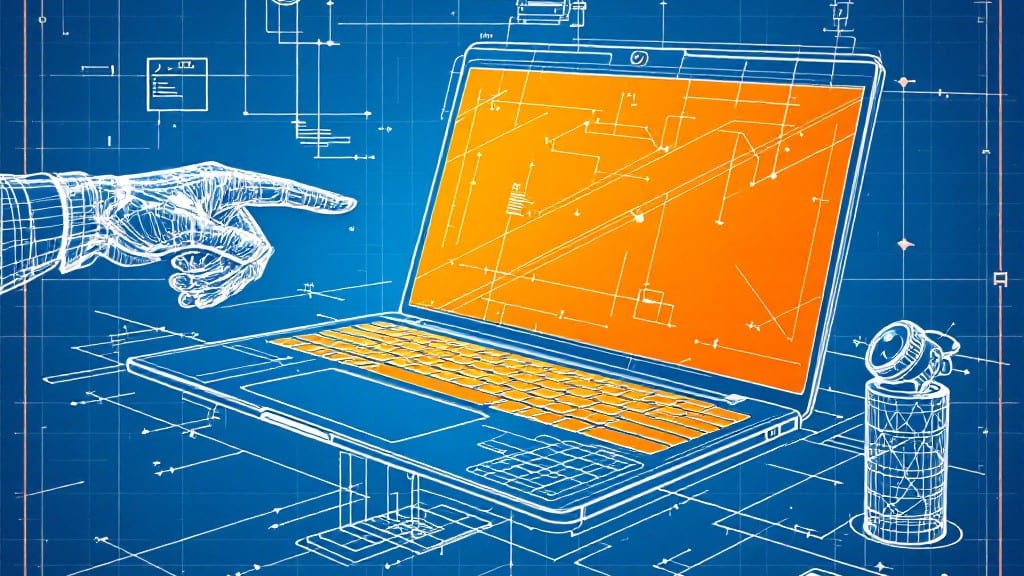
Many modern laptops ship with cameras as standard equipment, often tucked discreetly above the screen or integrated into the bezel. 🔥 The tiny green or red light you might spot when using video calls is your camera's indicator—though some newer models hide it completely behind privacy shutters.
I've seen everything from basic 720p cameras in budget machines to 1080p HD cameras in business-grade laptops, so don't assume all cameras are created equal in quality.
Desktop computers rarely come with built-in cameras, which explains why you'll typically need to plug in an external webcam if you're using a standalone PC. Even then, many users overlook the physical camera entirely until they try to join a video call for the first time.
My uncle's old IBM desktop from the '90s had no camera at all—something we now consider downright primitive!
💡 In This Article
- How to Locate and Verify Your Computer Camera
- Common Computer Camera Types and Their Uses
How to locate and verify your computer camera
Most modern laptops conceal their cameras behind the screen or keyboard, often marked by a tiny lens surrounded by a circular or rectangular frame. The camera's physical location varies by brand—Dell and HP models typically place theirs above the screen, while Lenovo ThinkPads often integrate it into the hinge area.
Look for a small green or red LED light nearby, which activates during video calls to indicate the camera is in use. 🔥 On MacBooks, the camera sits at the top center of the screen, while Windows laptops may position it asymmetrically for better video angles.
Here's what's actually happening when you inspect your hardware: The camera module contains an image sensor (usually a 1/4-inch or 1/3-inch CMOS chip) that captures light through the lens, converting it into digital signals.
Higher-end cameras use autofocus mechanisms with 5-8 elements for clearer video, while budget models rely on fixed-focus lenses. The indicator light you see is usually an IR LED or white LED that illuminates when the camera activates, consuming about 50-100 milliamps of power during operation.
Windows users can verify camera functionality through Device Manager by pressing Win + X, selecting "Device Manager," then expanding "Imaging devices." Look for entries like "Integrated Camera" or "Realtek Camera." On Macs, open "About This Mac," click "System Report," then navigate to "Hardware" > "Camera."
What most people don't realize is that even if the camera appears in these lists, it might be disabled in your system's privacy settings—especially on newer laptops with physical privacy shutters that block the lens when closed. 💫
Troubleshooting common issues involves checking for driver updates (Windows) or ensuring the camera isn't physically blocked. For example, some HP laptops have a sliding shutter that users accidentally close, while Lenovo Yoga books require you to open the privacy guard before the camera activates.
I've seen cases where simply cleaning the lens with a microfiber cloth (never use paper towels!) resolves blurry video issues caused by dust buildup over time. The key factor is understanding whether your problem is hardware-related (missing camera) or software-related (disabled drivers or privacy settings).
Consider these key factors when verifying your camera's status:
- Physical inspection: Look for the lens and LED indicator near the screen or keyboard
- System tools: Use Device Manager (Windows) or System Information (Mac) to confirm hardware detection
- Privacy settings: Check Windows Settings > Privacy > Camera or macOS System Preferences > Security & Privacy > Camera
- Test applications: Use built-in apps like Windows Camera or macOS Photo Booth to verify functionality
Advanced users can also check the camera's capabilities through command line tools. On Windows, running dxdiag in Command Prompt reveals detailed camera specifications, while Mac users can use the system_profiler SPDisplaysDataType command to extract camera information. The science behind camera detection involves your operating system querying the hardware tree through ACPI (Advanced Configuration and Power Interface) tables on Windows or I/O Kit on macOS—these are essentially hardware blueprints that tell your system what peripherals exist and how to communicate with them. ✨