
Troubleshooting
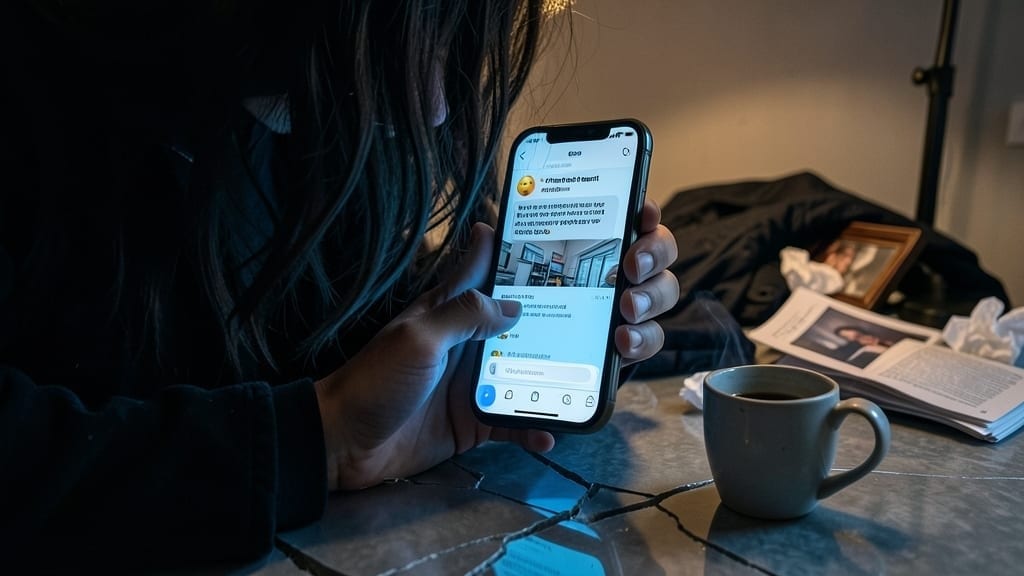
One careless post can expose your personal life, compromise security, or even derail your career. These 10 dangers of oversharing on social media reveal how a single click can permanently alter your digital privacy and real-world safety.
Identity Theft Through Location Sharing
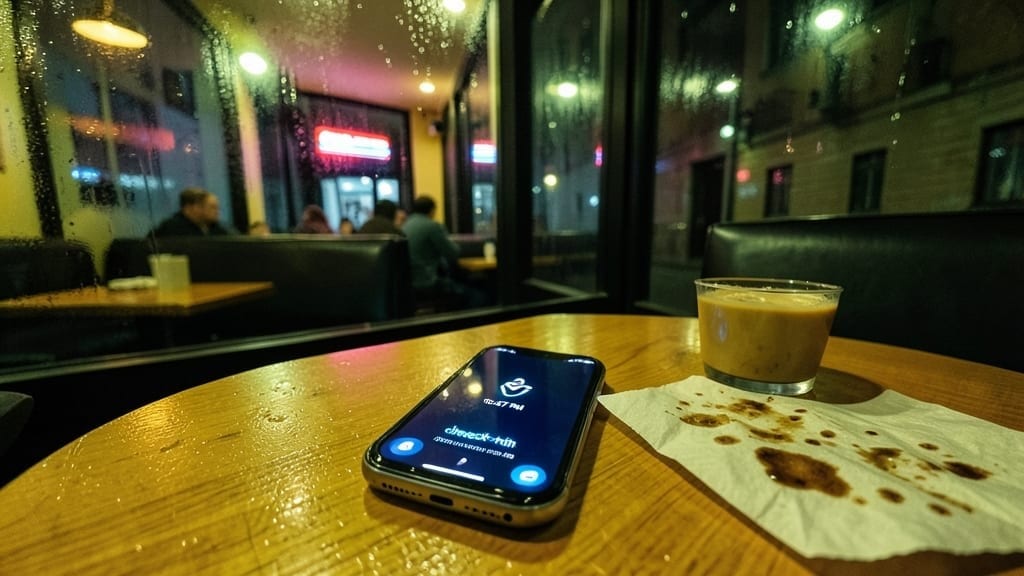
Your "check-in" at the café or gym might seem harmless, but real-time location tags create a digital breadcrumb trail for criminals. Burglars and stalkers monitor these posts to predict when you’re away—turning your daily routine into a security risk.
Apps like Facebook, Snapchat, and Instagram often enable location sharing by default, broadcasting your whereabouts to strangers. A single geotagged post revealing your empty home at 3 PM could make you a target for opportunistic thieves. Studies show that homes with overshared location data are 3x more likely to be burglarized during "predictable" absences.
If you rely on location services for convenience, consider disabling them for posts or using private accounts with restricted visibility. Even "checking in" at a public place can expose patterns—criminals piece together routines from seemingly innocent updates. 💻
Job Loss From Unprofessional Posts
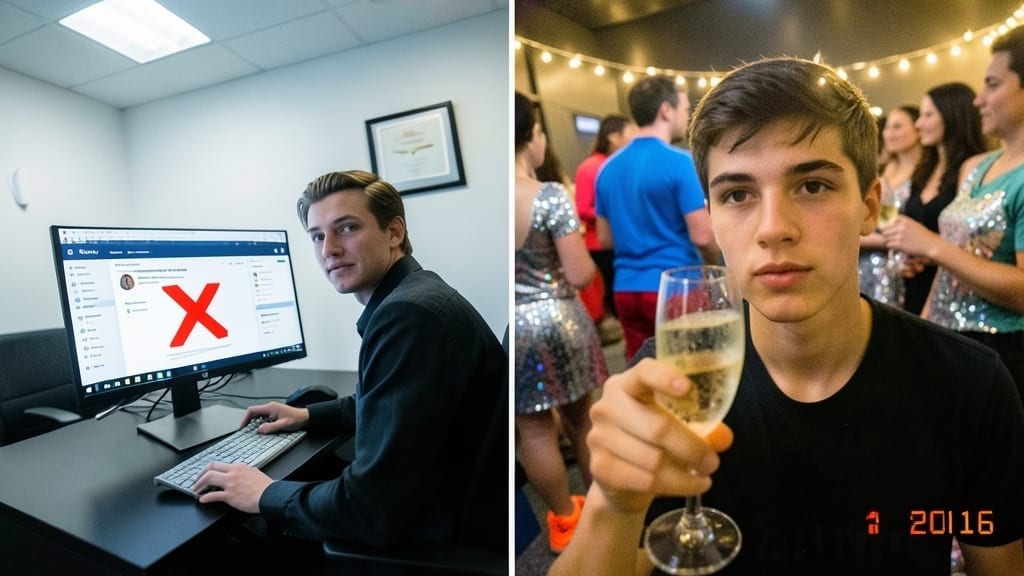
Your dream job interview just got a red "X" before it even started—thanks to a 2016 party photo you forgot was public. Recruiters now use AI-powered screening tools like HireVue and Social Intelligence to scan candidates' profiles, and 70% admit rejecting applicants over unprofessional content.
Even seemingly harmless posts—like complaining about your boss, flexing a vacation selfie from an empty house, or sharing political rants—can trigger automatic disqualification. One study found that 43% of hiring managers have eliminated candidates due to inappropriate humor, while 38% flagged drinking or drug references. LinkedIn’s privacy settings won’t save you: recruiters often dig into Facebook, Instagram, and even old Twitter threads to assess cultural fit.
Job seekers in competitive fields (tech, finance, healthcare) face the highest scrutiny—one misstep can cost you six-figure opportunities. Before hitting "post," ask: Would I want my grandma or future boss seeing this? 💻
Phishing Scams Using Personal Details
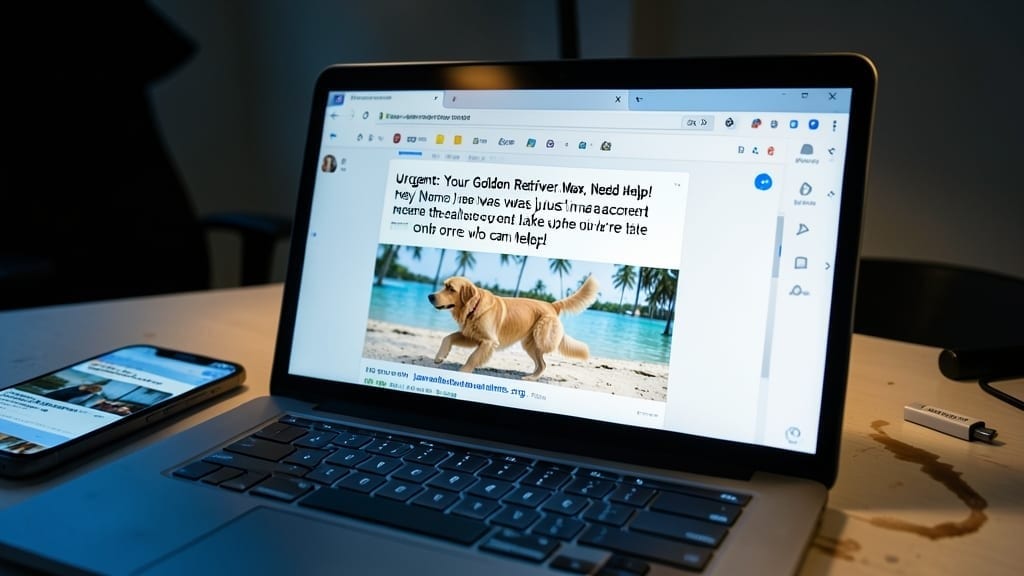
Ever received an email that felt eerily personal—maybe mentioning your dog’s name or your upcoming vacation? That’s no coincidence. Cybercriminals scour social media to craft hyper-targeted phishing scams that bypass generic spam filters, making them alarmingly convincing.
These attacks often start with a seemingly legitimate message—like a "security alert" from your bank or a "last-minute flight deal"—embedded with details only someone who studied your profile would know. A single click on a malicious link can expose your login credentials or trick you into transferring money to fraudsters. The FBI reported $2.7 billion lost to phishing in 2023, with personalized scams accounting for a growing share.
Small business owners and frequent travelers are prime targets, but anyone sharing details like pet names, hobbies, or travel plans is at risk. Always verify unexpected requests via a separate channel—like calling your bank directly—and enable multi-factor authentication to add an extra layer of protection. 💡
Stalking Risks From Relationship Posts
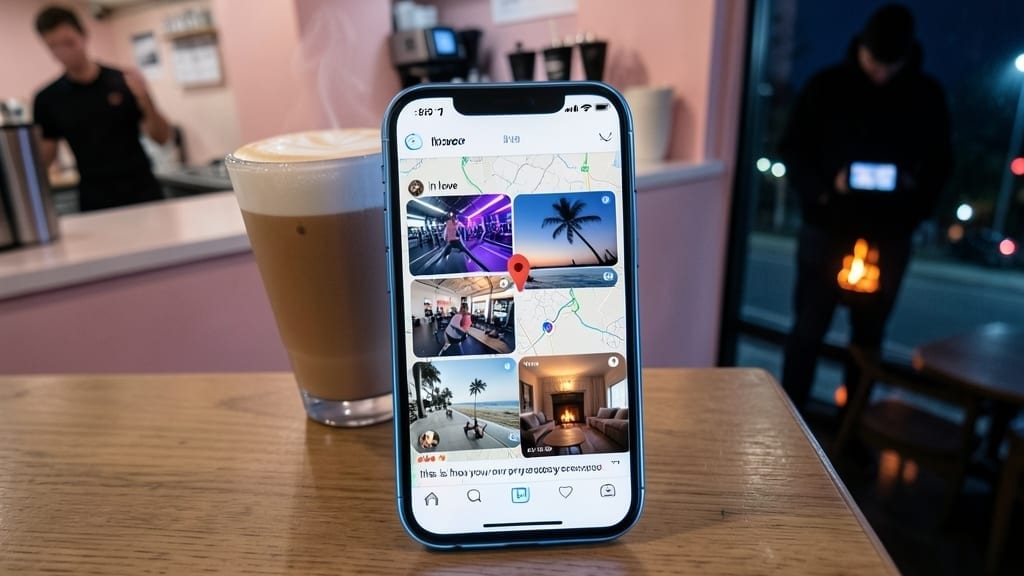
Your "in love" posts might seem harmless, but they’re a goldmine for stalkers. Obsessive followers or ex-partners don’t need much—just a few geotagged photos from your morning coffee run or gym selfies to map your daily routine. Apps like Instagram and Facebook default to sharing location data unless disabled, turning your social life into a stalker’s playbook.
Once they know your predictable routes (e.g., 7 AM coffee at Starbucks, 5 PM gym visits), they can lurk outside, send "concerned" messages, or even show up unannounced. A 2023 study found that 68% of stalking cases involved digital tracking, with relationship posts being the most common entry point. Even "private" stories can be screenshotted and shared.
If you’re in a high-risk situation—whether it’s a toxic ex or an overzealous fan—disable geotags entirely and avoid posting real-time check-ins. A simple setting tweak can be the difference between safety and vulnerability. 💡
Blackmail Opportunities From Private Photos
Think your private messages and photos are safe from prying eyes? Cybercriminals don’t need hacking skills—they just need access to your device or a way to forward screenshots. Once explicit or compromising photos are shared, they can be weaponized for blackmail, extortion, or revenge porn, even if you trust the recipient.
These threats often start with screenshotting apps (like Snapchat’s disappearing photos or WhatsApp’s forwardable screenshots) or data breaches where private chats are leaked. Criminals demand money, favors, or silence, exploiting emotional leverage. Even encrypted platforms like Signal or Telegram aren’t foolproof if your device is compromised.
This risk isn’t just for celebrities—anyone with sensitive content is vulnerable. Students, professionals, or couples sharing private moments should use end-to-end encryption, verify recipient trustworthiness, and avoid storing incriminating files on cloud services. 💻
Insurance Fraud From Vacation Posts
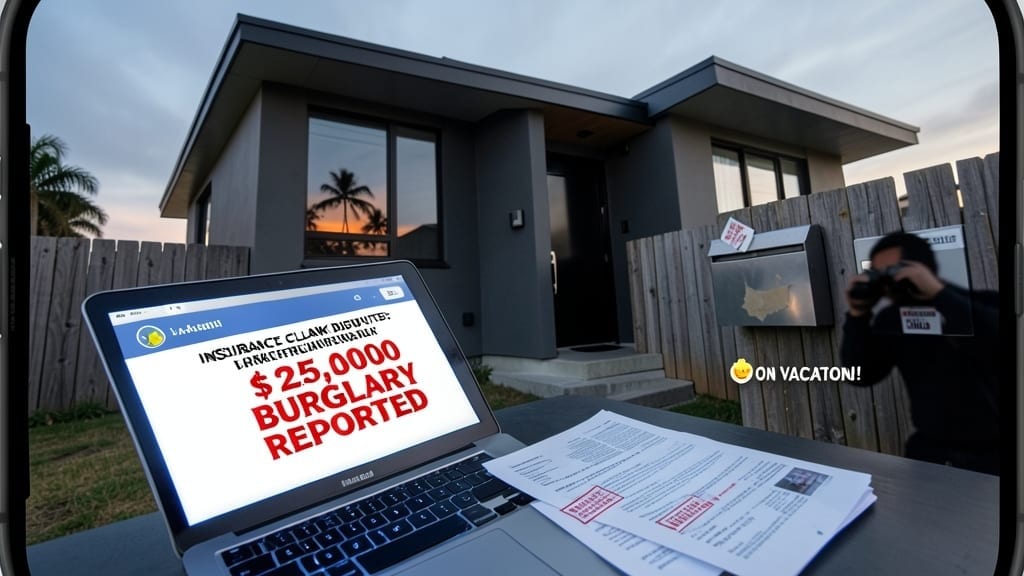
Your dream vacation could cost you more than just memories—it might trigger insurance fraud if scammers spot your empty home. Criminals monitor social media for travel updates, then file fake "burglary" claims knowing you’re away, leaving you with skyrocketing premiums or even policy cancellations.
This isn’t just a rare scam—Insurance Information Institute data shows fraud spikes by 30% during peak travel seasons. Scammers exploit geotagged posts or check-ins to prove you’re not home, then stage break-ins or thefts. Even a seemingly harmless "beach vibes" post can leave your property vulnerable to opportunistic criminals.
Homeowners with smart home security systems or vacation rental properties are prime targets. Before posting, disable location services, use private accounts, and wait 24 hours to share updates—just in case. 💻
Social Engineering Through Family Details
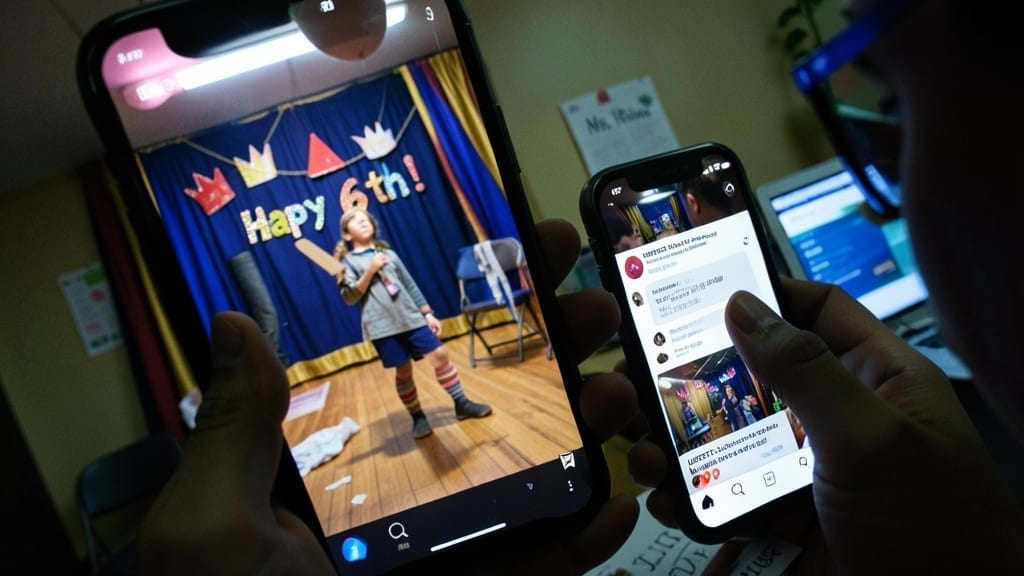
A single post about your child’s school play or birthday party might seem harmless—but it’s a goldmine for scammers. Criminals exploit these details to impersonate parents, teachers, or school staff, tricking you into revealing sensitive info or sending money under false pretenses.
For example, a scammer might call posing as a principal and demand payment for a fictional school fee, or a fraudster could create a fake emergency fundraiser using your child’s name. Even seemingly innocent updates—like your kid’s birthday month or school name—can be weaponized to bypass security questions. The FBI reports a surge in these family-targeted scams, costing families thousands annually.
Parents, grandparents, and educators should treat family details as private by default. Double-check privacy settings and avoid posting real-time school events online. A little caution can stop scammers from turning your family’s joy into their next scam. 💡
Credit Card Fraud From Purchase Tags
That "innocent" photo of your Starbucks receipt or designer shopping bag could be a goldmine for fraudsters. Geotagged images reveal your spending habits, favorite stores, and even your credit card preferences—all the details criminals need to apply for credit cards in your name or hijack loyalty programs.
Fraudsters don’t just stop at physical receipts; they also exploit branded items like luxury handbags or tech gadgets in photos. A single post can expose your financial behavior, making you vulnerable to account takeovers or synthetic identity fraud. Even "private" stories can be screenshotted and used against you.
This risk isn’t just for high-net-worth individuals—anyone with a credit card is a target. Before posting, ask: Could this help a stranger open an account in my name? A few seconds of caution now could save you from years of credit damage. 💻
Legal Consequences From Sensitive Topics
Sharing personal struggles—whether it’s a medical diagnosis, ongoing legal battle, or political stance—can backfire in ways you never imagined. Employers, landlords, and even courts have been known to scrutinize social media posts to deny opportunities, raise premiums, or influence decisions.
For instance, a 2022 study found that 43% of job applicants with posts about mental health were perceived as less reliable by hiring managers. Landlords may deny rentals if they spot discussions about financial instability or credit issues, while courts have used social media as evidence in child custody disputes or insurance fraud cases. Even seemingly harmless political views can trigger bias in hiring or promotions.
If you’re job hunting, renting a home, or navigating legal matters, think twice before posting. A simple privacy audit—like reviewing Facebook’s "About" section or LinkedIn’s visibility settings—could save you from unintended consequences. 💡
Emotional Manipulation Through Oversharing
Ever vented online about a tough breakup or workplace frustration, only to regret it later? That content might not just be forgotten—it could be weaponized. Abusers and manipulators actively scrape emotional posts to build psychological leverage, using them to guilt-trip, isolate, or coerce you into compliance.
Platforms like Facebook and Instagram don’t just store your drama—they enable targeted algorithmic exposure, ensuring your vulnerabilities reach the wrong audience. A 2023 study found that 68% of victims in manipulative relationships reported their abusers used social media posts to exacerbate conflicts, while 42% faced real-world consequences like harassment or financial demands based on overshared emotional content.
If you’re in a high-conflict relationship or frequently discuss personal struggles, consider auditing your privacy settings and limiting who sees your posts. Even a single venting thread can become ammunition. 💡